

Whether you shoot weddings, families, seniors, or brands, the goal is the same: get found by the right people on Google and turn that traffic into real inquiries.
If your personality is not built for constant social media, I see you.
Mine isn’t either.
Social media can be draining. It pulls you into comparison. It messes with confidence. It quietly chips away at mental health, even when you fully understand that everyone is posting a highlight reel.
And then the advice you hear is basically: post more. Be consistent. Show up daily.
No thanks. I would like to keep my peace.
Here’s the good news. You can build visibility without living on Instagram. You can get found on Google with a strategy that compounds, even if you are not posting every day.
That is exactly what this post is about.
Why Google is still worth your energy
A quick reality check before we get tactical.
A lot of searches end without a click because Google answers the question right there on the results page. In the US, SparkToro found that 58.5% of Google searches in 2024 ended in zero clicks.
Some people see stats like that and assume SEO is dead.
I do not agree. It simply means the goal is not “get a click for every query.” The goal is to show up for the searches that do lead to action, especially for service-based businesses.
For wedding pros and photographers, Google intent is often high. People are not browsing for entertainment. They are searching because they need a solution.
And couples really do use Google. One wedding market recap cited research that found 78% of couples with luxury budgets hired at least one vendor through a Google search.
So yes, show up on Instagram if you enjoy it. But if it drains you, Google can carry a lot of weight.
My unpopular opinion
“Posting every day” is not a strategy. It is a coping mechanism.
If you are tired, overwhelmed, or inconsistent, it is usually not because you are lazy. It is because the plan is too fragile.
A sustainable visibility plan does two things:
- It works even when you are busy.
- It creates assets that keep working after you log off.
That is why I love SEO and long-form content. I love writing. I love depth. I love being able to search for the exact thing I need, then find the one resource that speaks directly to my problem.
Eight minutes of fifteen-second clips does not do it for me. I want the details. I want the point. I want to solve the problem and move on.
If that is you, blogging and SEO are your lane.
The Showit SEO myth, and why I will always call it out
There is a loud opinion in the photography world that WordPress is the only platform that can rank, and that Showit is just the pretty option. A high up coach said it, and a lot of people took it as fact.
So I often hear this from photographers before we even start. “I want WordPress, because I heard Showit cannot do SEO.”
And I always push back, because it is not true.
I am a Showit designer. I know how to build it the right way. I am not here to hold you back, and I am definitely not trying to force Showit because it makes my job easier. I want you to succeed. That matters to me. If I thought Showit would limit you, I would say so.
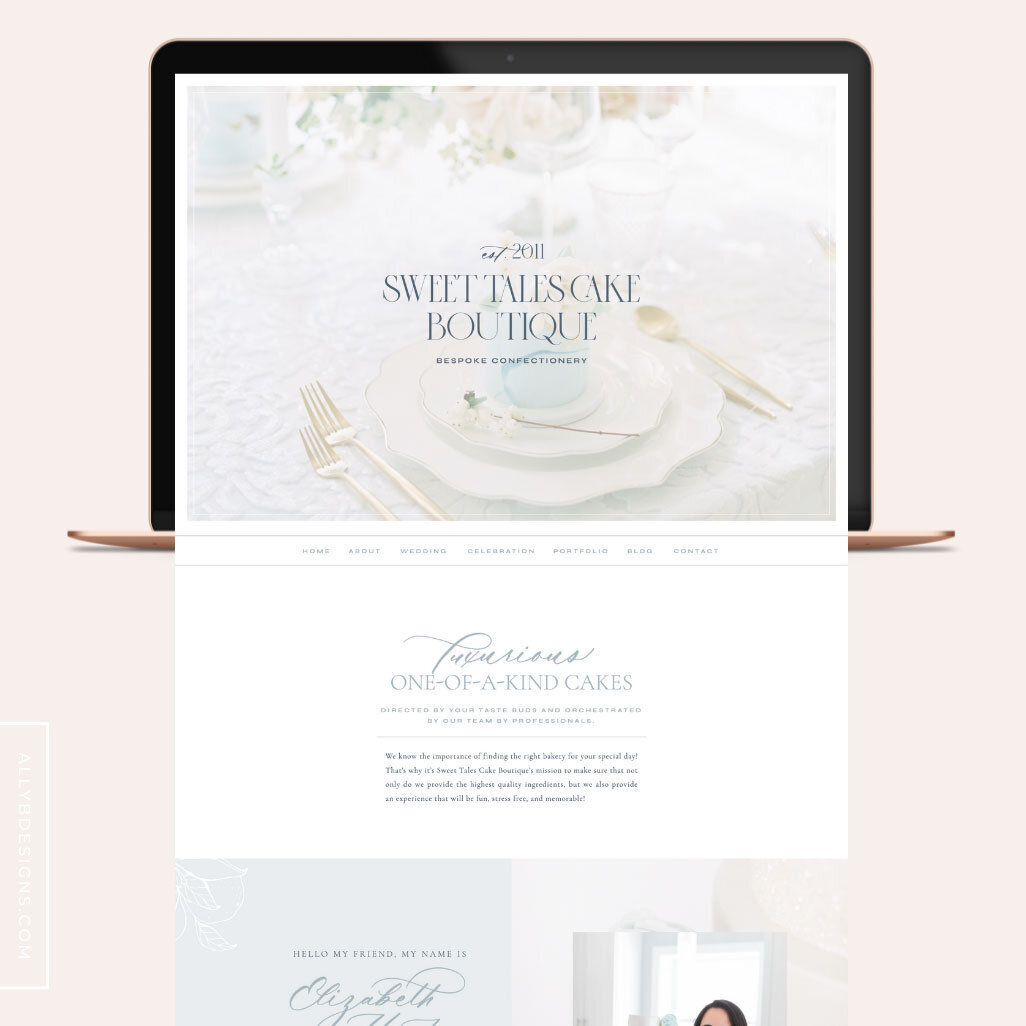
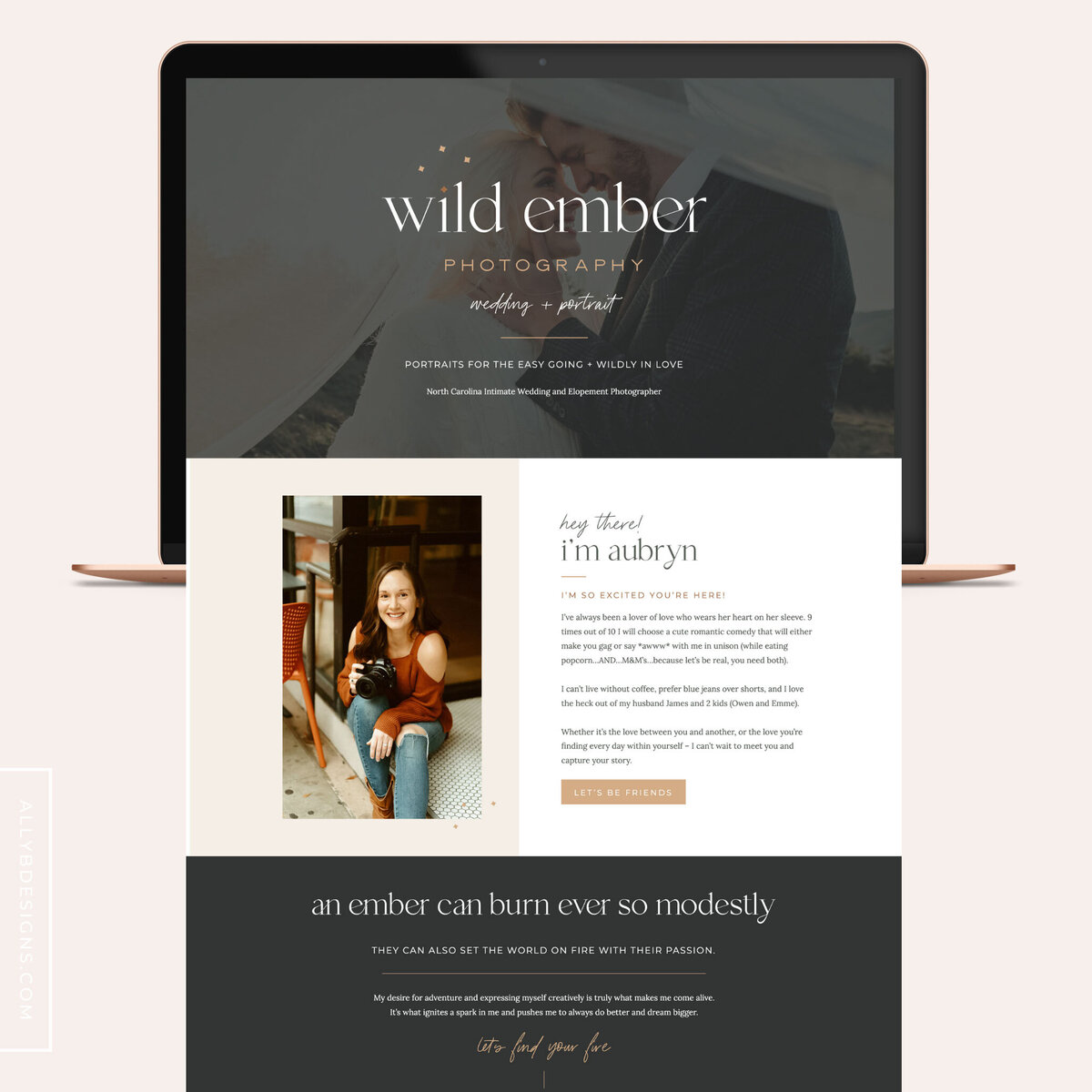
But the truth is, Showit can give you the best of both worlds. You can have a site that looks elevated and still performs in search when the structure, keywords, and content strategy are done correctly. I handle the foundational SEO pieces in every build, and I offer deeper SEO services for clients who want to grow visibility long term.
I once had a client tell me SEO did not work, and they did not want to focus on it, while they were literally hiring me because they found me on Google. My site has been on Showit for about a decade. So yes, it works.
SEO is not magic. It is not instant. But it is absolutely how you build inbound leads without relying on daily posting.
The real problem is not your platform
It is the ecosystem
If your website looks good but isn’t converting, it is rarely just “design.”
It is usually the ecosystem.
Your visibility is made up of a few connected pieces:
- Your positioning and messaging
- Your keywords and search intent
- Your core pages and site structure
- Your content and internal links
- Your local signals and reviews
- Your conversion path from search to inquiry
When one piece is off, the whole thing feels like “I am doing the work but nothing is happening.”
So let’s fix it in a way that does not require daily posting.

How to get found on Google without posting every day
A simple SEO plan you can actually maintain
Step 1: Stop random blogging
I have written blog posts just because someone else was. I was watching competitors and thinking, “I guess this is what we do.”
That is not strategy. That is noise.
Blogging works when you publish topics tied to what people are already searching for, and when those topics support your offers.
Instead of “What should I write this week?” try this question:
What is my ideal client already typing into Google when they are looking for someone like me?
For wedding planners and photographers, that often looks like:
- wedding planner in [city]
- wedding planning timeline
- how much does a wedding planner cost
- best wedding venues in [city]
- engagement photo locations [city]
- what to wear for engagement photos
The goal is not to write everything. The goal is to write the right things.
Step 2: Pick a realistic cadence
You do not need twelve posts a month. You need consistency.
A strong baseline for most established photographers or wedding pros is:
Two strategic blog posts per month
That is enough to build momentum, expand keyword coverage, and create internal linking paths. It is also realistic for real life.
Step 3: Make local SEO do its job
Even if you serve clients anywhere, local SEO often drives your easiest wins.
Here are the essentials:
- Use location language naturally on key pages. Think city, region, and venue areas you serve.
- Create at least one strong local page that matches intent. Example: “Wedding Planner in Chicago” or “Destination Wedding Planner Based in Chicago.”
- Keep your Google Business Profile updated, even if you are appointment based.
- Build reviews consistently, and respond to them. BrightLocal’s review research shows how much consumer trust is tied to review content and engagement.
Local SEO is not just for restaurants. It is how couples narrow the list fast.
Step 4: Optimize your core pages before writing more
This is where most people skip ahead. They write blogs, but their core pages are not set up to convert.
Your highest impact pages usually include:
- Home
- About
- Services
- Pricing or investment
- Contact
- A dedicated page for your primary offer if needed
These pages should have:
- Clear page titles and meta descriptions
- A clean heading structure
- Copy that speaks to pain points and objections
- One primary call to action per page
- Internal links to relevant blog content and next steps
If your site is pretty but vague, Google struggles to understand it and people struggle to choose you.
Step 5: Build content that converts, not just ranks
Ranking is great. Conversion is the point.
Every post should do at least one of these:
- Answer a high-intent question
- Build trust and authority
- Pre-sell your process
- Remove objections
- Lead into an inquiry decision
That is why I am a fan of having a stance. AI can help organize thoughts and speed up writing, but you cannot publish generic filler and expect it to perform. People can feel it. Google can too.
If you use AI, use it as a tool, not a replacement for your expertise.
Step 6: Track what matters so you do not spiral
SEO is a long game, but you should still see signs of progress.
Watch:
- Google Search Console impressions and clicks
- Which queries are you showing up for
- Which pages are getting traction
- Contact form submissions and inquiry quality
- Assisted conversions, meaning people who read then inquire later
Also, keep in mind that search behavior is changing. Multiple sources, including Bain, have highlighted the rise of “zero click” results and how it impacts organic traffic patterns.
This is exactly why the ecosystem matters. You want to increase your chances of being the business that gets clicked, saved, and contacted.
What this looks like in real life
If you want a plan that does not require daily posting, here is the simplest version:
- Optimize your top pages for clarity, intent, and conversion
- Publish two strategic blogs per month
- Build internal links from blogs to services and from services to blogs
- Strengthen local signals through location language and reviews
- Track progress monthly, then adjust with intention
It is not flashy. It is effective.
Ready to stop guessing
Apply for the SEO Foundations Intensive
If you want the strategy done right, plus the implementation that actually gets your site moving, my SEO Foundations Intensive was built for you.
It includes:
- SEO audit plus a prioritized strategy roadmap
- Keyword research plus keyword to page mapping
- On page optimization for up to six key pages
- Four SEO blog posts written, uploaded, styled, and published
- GA4 and Google Search Console setup
- Google Business Profile audit with recommendations
If you are ready to build visibility without daily posting, apply to work with me for SEO Foundations.

Visibility Partner
If you already know what you want and you need someone to execute it consistently, Visibility Partner support is the next step after strategy.
Think done for you blogs, newsletters, or both, with the kind of white-glove attention that keeps your marketing moving even when life is busy.
If you want me to help you choose the best fit, send me an email and tell me whether you want SEO Foundations, Visibility Partner, or a bundle plan that starts with strategy and rolls into execution.